Behavioral Threat Assessment and Management (BTAM): A Guide for Law Enforcement
Tools and Strategies
Behavioral Threat Assessment and Management (BTAM) is a proactive, evidence-based approach to identify, assess, and help individuals who exhibit concerning and threatening behaviors. The goal is to prevent violence before it happens by connecting individuals with appropriate support and resources. BTAM helps law enforcement understand the current threat environment and how different factors affect each community. There are several resources available on BTAM best practices, including the…
Behavioral Threat Assessment and Management (BTAM): A Guide for Educators
Tools and Strategies
Behavioral Threat Assessment and Management (BTAM) is a systematic, evidence-based process used by schools, workplaces, and law enforcement to identify, assess, and manage individuals who may pose a threat to themselves or others. The model provides a structured way to notice warning signs, understand what they mean, and take action before anyone gets hurt. BTAM helps answer important questions like: Is this person in crisis? Are they at risk of hurting themselves or others? What support do…
When Fandom Meets Hate: Antisemitism in the True Crime Community (TCC)
Article
Antisemitism in the TCC shows up as casual slurs and inside jokes; admiration for antisemitic killers; extremist iconography like swastikas; and as part of how an attacker frames their violence.
What is Behavioral Threat Assessment and Management (BTAM)?
Tools and Strategies
BTAM helps schools, workplaces, clinicians, and law enforcement spot warning signs in persons who may be in crisis and intervene before violence occurs.
A loosely connected global network of online actors involved in illicit and harmful activities, like swatting, sadistic online exploitation (SOE), ransomware attacks, and distributing child sexual abuse material.
The Memetic Violence Field Guide: Terms, Symbols, and Phrases in Violent Online Subcultures
Tools and Strategies
A glossary that explains some of the popular terms, references, and images used to signal transgression and belonging in online communities that glorify mass violence and extremist killings.
Hate in the Cascade States: Extremism & Antisemitism in Oregon & Washington
Report
This report provides a snapshot of antisemitism and extremism in Oregon and Washington, highlighting key trends tracked by the ADL Center on Extremism.
A Year of Hate: Antisemitism on Telegram Post-10/7
Report
The ADL Center on Extremism (COE) conducted a comprehensive analysis of violent antisemitism and anti-Israel content on Telegram following the 10/7 attacks.
Virtual Money, Hateful Reality: The Cryptocurrency Exchanges Enabling Extremist Fundraising in 2023
Report
In 2023, ADL Center on Extremism tracked 15 extremists and their supporters who moved $142k of cryptocurrency to and/or from 22 different crypto companies.
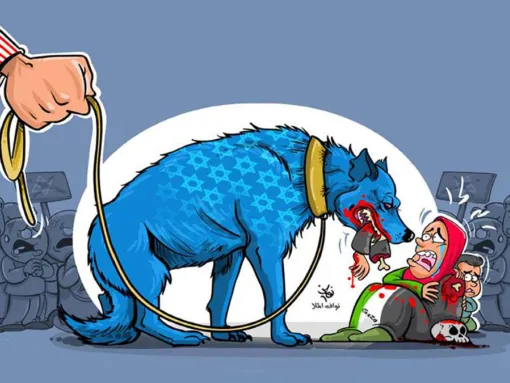
Antisemitism in Arab Cartoons during the Israel-Hamas War: A Chronology of Dehumanization of Jews and Demonization of Zionism and Israel
Report
ADL report on the hateful antisemitic conspiracy theories and tropes in political cartoons in the Arab press in the aftermath of Hamas’ Oct. 7 terrorist attacks
Hate in the Prairie State: Extremism & Antisemitism in Illinois
Report
This report highlights the key extremist and antisemitic movements, trends, and incidents in Illinois between 2021 and 2022, and the first half of 2023.